Volvo L120F Wheel Loader Parts - Transmission, Hydraulic and Electrical Wear List for Mexico
Altitude, heat and dust - the Mexican failure pattern
In the central plateau the machine works at 1500 to 2600 metres, where air density is low and cooling is less effective. Combine that with 38 degree afternoons and volcanic dust and you get a powertrain that runs hot most of the day.
Real failure chain: transmission oil temperature rises above the normal band, oil oxidises and clutch packs slip slightly, shift quality gets harsh, the operator compensates with throttle, temperature climbs further. On the hydraulic side, dust plugs the cooler and the breather, the pump cavitates at start up, flow drops and the machine feels lazy when the bucket is loaded.
| Area | Symptom | First check (no cost) | Usual action |
|---|---|---|---|
| Transmission | Harsh shifts, hot oil | Oil level, colour, filter cut | Oil and filter change, cooler clean |
| Hydraulic pump | Slow lift, weak breakout | Measure main and pilot pressure | Replace pump, flush circuit |
| Electrical | Random codes, weak cranking | Battery load test, earth points | Replace battery or alternator |
| Bucket edge and teeth | Poor penetration | Measure edge height, tooth length | Replace edge or teeth |
Transmission 1111761 Suitable for VOLVO Loader Accessory L110F L120F Blade - heat is the root cause
Most L120F transmission complaints in Mexico start with heat rather than with a failed clutch. Check in this order: oil level and colour (milky oil means water ingress through the breather in the rainy season), filter cut (clutch material means a pack is slipping), transmission oil cooler (plugged core is the most common single cause), and only then the control valve and solenoids.
Practical rules: change oil and filter at the shortened interval for hot climates, clean the cooler with the same discipline as the radiator, and check the breather is not blocked. A blocked breather pushes oil out through seals and pulls dust in on cooldown.
Hydraulic pump 11156729 Suitable for Volvo Loader Accessory L110F L120F Blade - cavitation at altitude
At altitude a pump that is marginal at sea level will cavitate. The symptoms are a whining noise at start up, slow lift when cold and a pump body that runs hotter than the rest of the circuit. Before replacing anything, check the suction line for a collapsed hose or a blocked strainer, and check that the breather on the tank is clear.
If pressure and flow are both below specification at normal operating temperature, the pump is worn. Replace it, flush the circuit, and replace every filter. Fitting a new pump to a dirty circuit is the most expensive way to save money.
Electrical 17415136 17415136 Suitable for Volvo Wheel Loaders L120E L90F L120F L - voltage, earths and dust
Random codes and weak cranking on an L120F usually trace to three things: battery condition (load test rather than open circuit voltage), earth points (dust and corrosion raise resistance until modules see low voltage), and alternator output under load.
Check charging voltage at the battery with all loads on. If it sags below specification, test the alternator before replacing modules. Clearing codes without fixing voltage is how a machine ends up with a box of parts that were never faulty.
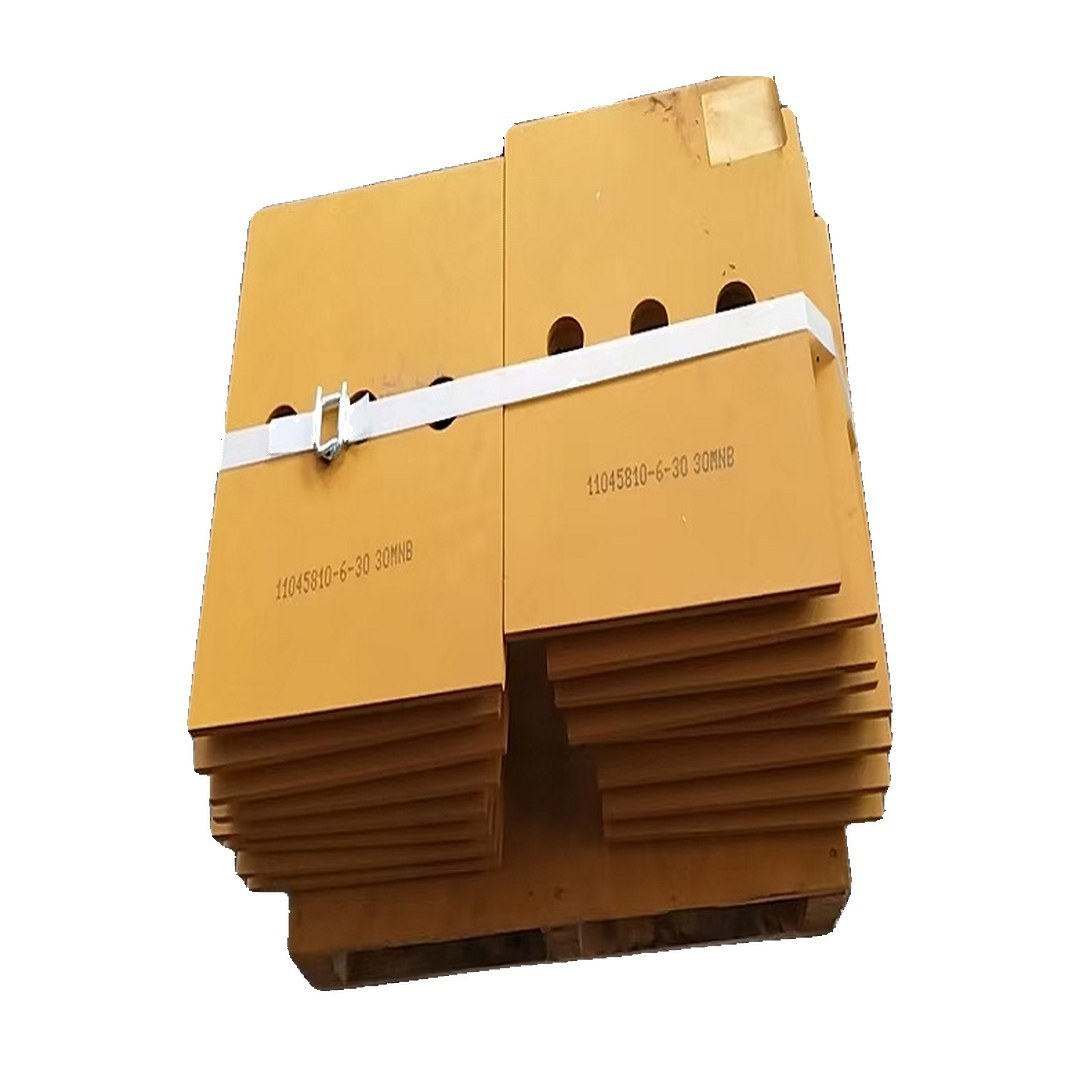
Bucket edge 11102146 11102146 THRUST WASHER Suitable for Volvo Wheel Loaders L110 and teeth 11417099 Loader Accessories L110F L120F Teeth VOE11417099 Applicable - cost per tonne matters
In aggregate yards the edge and teeth are consumables measured in tonnes, not in hours. Measure edge height and tooth length every 250 hours. A worn edge raises breakout force demand and loads the hydraulic system, so a cheap edge costs money twice.
Rotating or flipping the edge at half wear typically adds 30 to 40 percent of life. Replace teeth before the adapter shoulders wear round, because a worn adapter cannot hold a new tooth and turns a low cost item into a welding job.
Parts strategy for Mexican fleets
Air freight from China to Mexico City or Manzanillo runs 6 to 10 days; sea freight 25 to 35 days. For fleets of five machines or more, holding one pump and one transmission control unit on site pays for itself the first time a machine stops on a Saturday.
Quote by serial number and part number together so the configuration is confirmed. Pricing and availability: request a quote.
FAQ - L120F in Mexico
Does altitude really affect the hydraulic pump?
Yes. Lower air density reduces cooling effectiveness and raises oil temperature, and a pump that is already worn will cavitate. Check the suction side and the tank breather before condemning the pump.
Which transmission oil interval suits hot climates?
Shorten the book interval and confirm by oil analysis. In 38 degree ambient with dust, oil oxidises faster than the nominal schedule assumes.
Why do random electrical codes appear?
In most cases the cause is low voltage from a tired battery, a corroded earth point or a weak alternator. Load test the battery and measure charging voltage with loads on before replacing any module.
Can L120E parts be used on an L120F?
Only where the part number matches exactly. Transmission control and wiring differ between series, so always confirm by serial number.
Need an L120F quote shipped to Mexico?
Send the machine serial number and the part numbers you need. We reply within 24 hours with price, stock and freight timing.

WhatsApp +86 139 2519 9399 · Scan the QR code and send part numbers on WhatsApp Send a message