Volvo L110G Wheel Loader Parts - Edge Blade, Bucket Teeth, Piston Pump and Pressure Sensor Wear List for North America
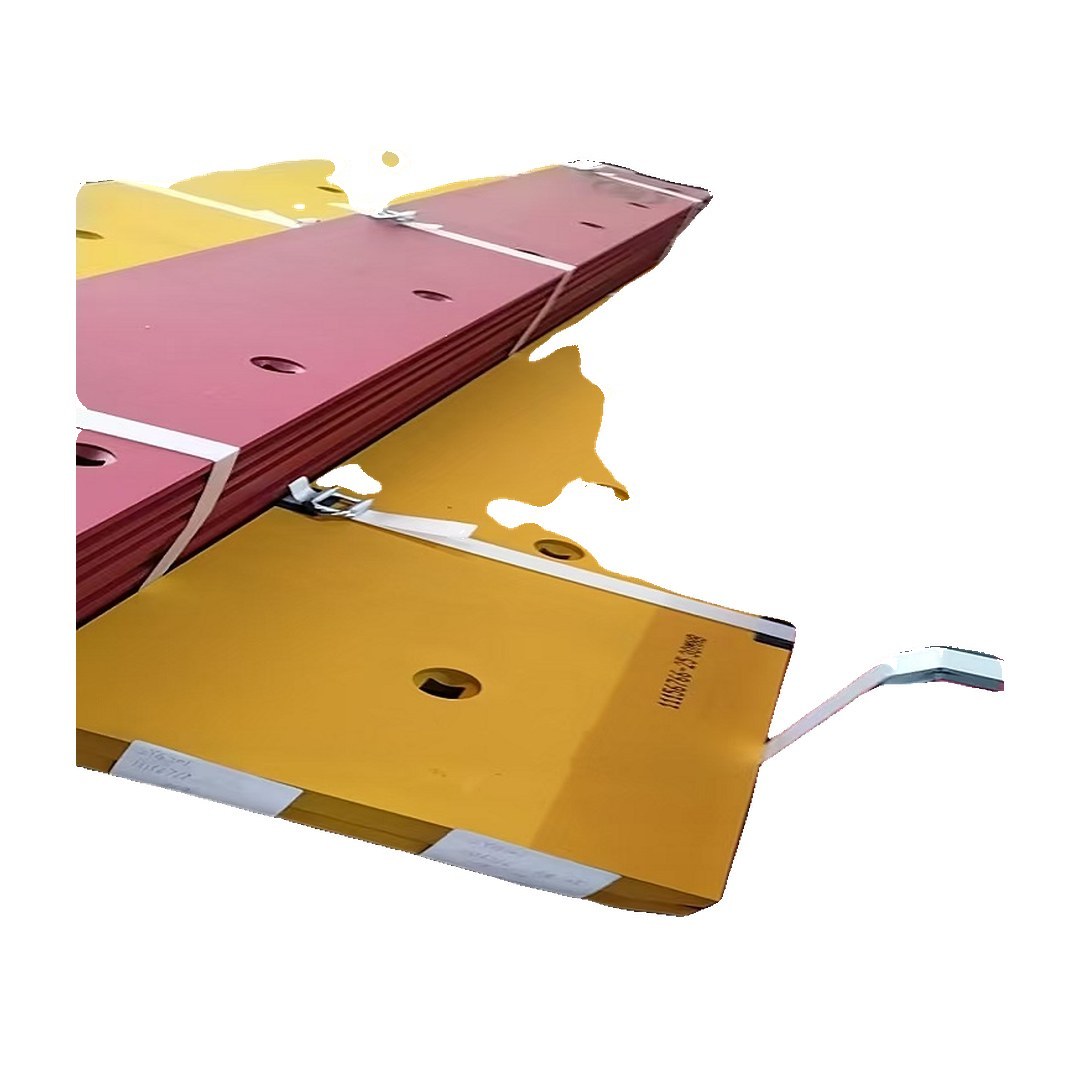
Why North American yards eat the bucket before the hydraulics
Aggregate yards, asphalt plants and transfer stations share one habit: the loader is used as a bulldozer to push a pile, and the bucket corner takes the load. Add recycled concrete, which is sharper and more abrasive than natural stone, plus road salt in winter, and the ground engaging tools become a monthly consumable.
The real chain: edge and teeth wear past the wear line, the bucket floor and corner start taking the load, the corner cracks, the operator pushes harder to fill a worn bucket, cycle times climb, the pump works at relief more often, oil temperature rises, the pump wears faster, then a drifting pressure sensor derates the machine and the operator blames the transmission. The expensive loss is not the edge. It is a plant that cannot load trucks on a Saturday.
| Item | Symptom on site | Free first check | Usual action |
|---|---|---|---|
| Edge blade | Poor penetration, rounded corner | Measure thickness at wear line | Flip or replace edge |
| Bucket teeth | Flat tips, slow fill | Measure wear flat width | Replace teeth and pins |
| Angle plate | Cracked corner, weld repairs | Inspect corner welds | Replace plate |
| Piston pump | Slow cycle, hot oil | Case drain flow at temperature | Replace pump |
| Pressure sensor | Derate, false alarm, erratic gauge | Compare to mechanical gauge | Replace sensor |
Edge blade 11012887: measure, do not guess
11012887 bolt-on edge blade fits the L110G, L110H and L120H buckets. It is a reversible design, which is the cheapest maintenance win on the machine and the one most often skipped.
The rule is simple. Measure remaining thickness at the wear line every 250 hours and record it. When it reaches the limit, flip the edge. When both sides are at the limit, replace. Yards that measure get two to three times the life of yards that wait until the bucket floor is being ground away.
Two fitting notes. Use new plow bolts and nuts; reused hardware loosens and the edge walks, which cracks the bolt holes. Retorque after the first shift, because bedding in relaxes the joint and a loose edge is the number one cause of a cracked bucket lip.
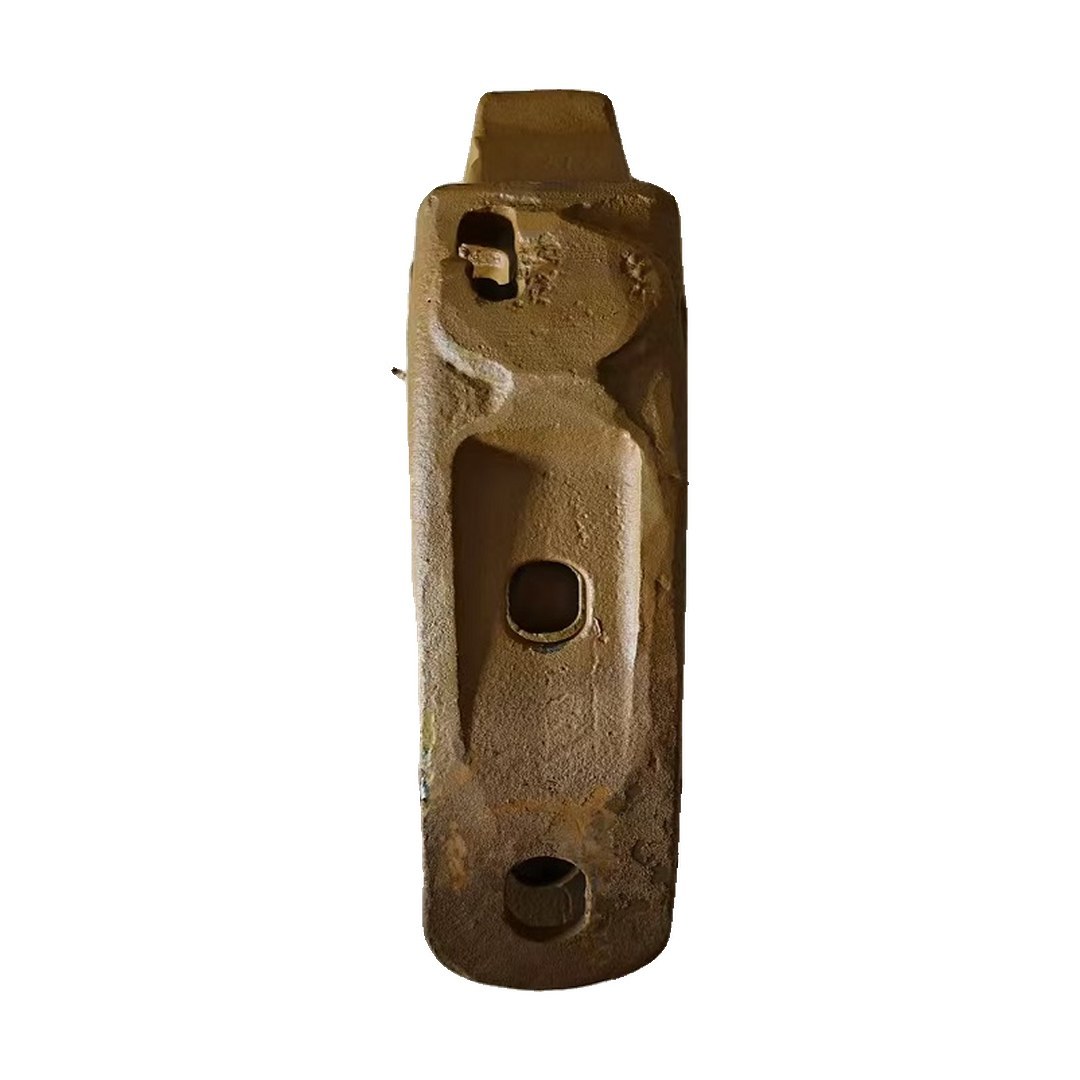
Bucket teeth 11417099: wear flat width tells you the day
11417099 bucket tooth is the standard tooth for the L110G and L120H bucket family. In recycled concrete the tip wears to a flat in weeks, and a flat tooth does three bad things: it stops penetrating, it increases cycle time, and it transfers load to the adapter.
Measure the flat. When the wear flat reaches about half the original tip width, replace the tooth. Waiting longer wears the adapter, and replacing an adapter means cutting and welding on the bucket, which is a crane job and a lost day.
Replace teeth as a set and replace the pins and retainers with them. A mixed set of new and worn teeth loads unevenly and cracks the bucket lip. Keep the old teeth as emergency spares only if the adapters are still sound.
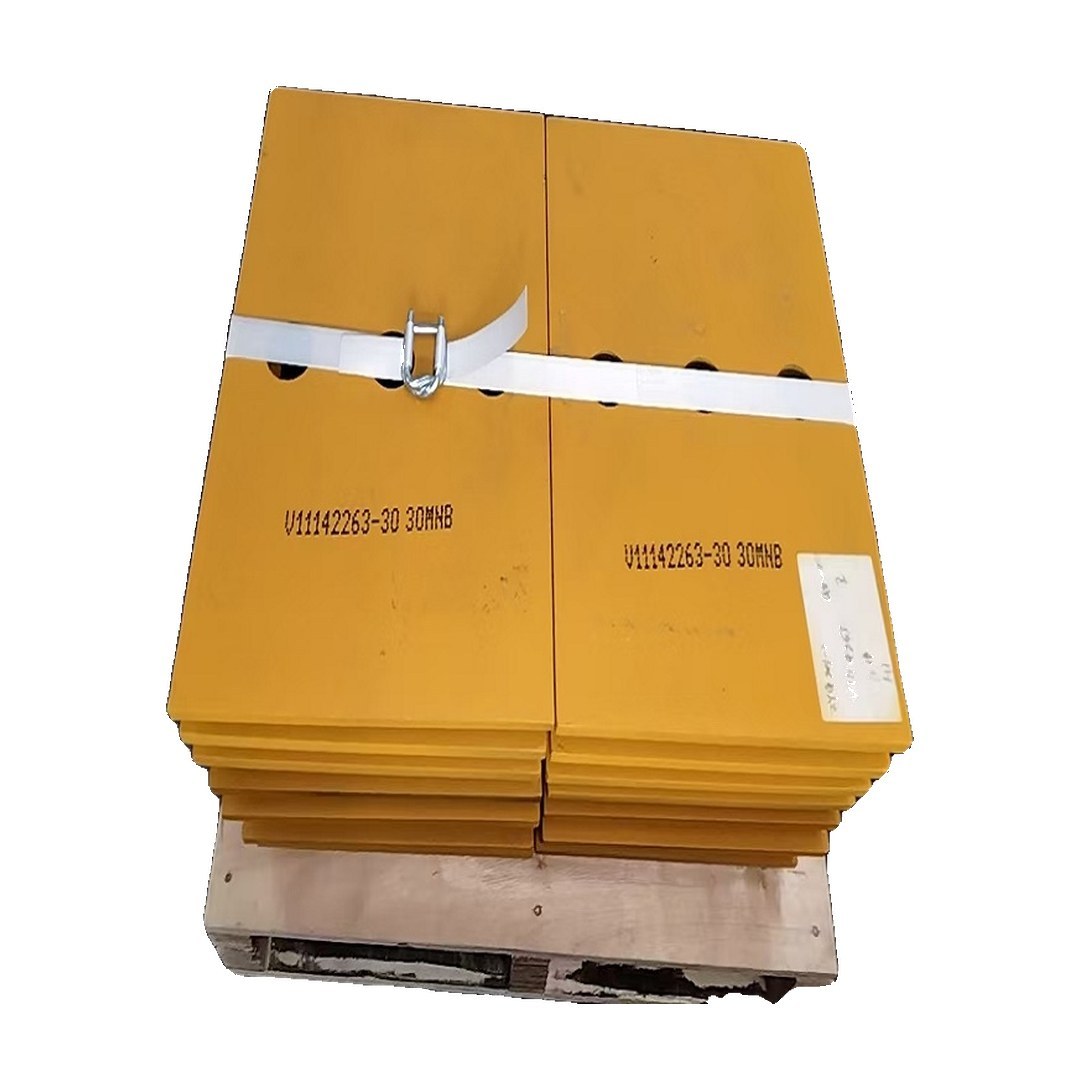
Blade angle plate 15054295: the crack that starts at the corner
15054295 angle plate reinforces the bucket corner where the edge meets the side plate on L110G, L110H and L120H buckets. This is the highest stress point on the whole bucket and the first place a fatigue crack appears.
Inspect it every time you change the edge. Look for a crack running from the corner weld along the side plate, check for the plate being worn thin or dished, and look for repeated weld repairs. Three weld repairs on the same corner means the plate has lost its section and welding again just moves the crack.
Replace the plate before the side plate cracks. A corner repair with the bucket on the machine is a half day; a side plate replacement is a week and a crane.
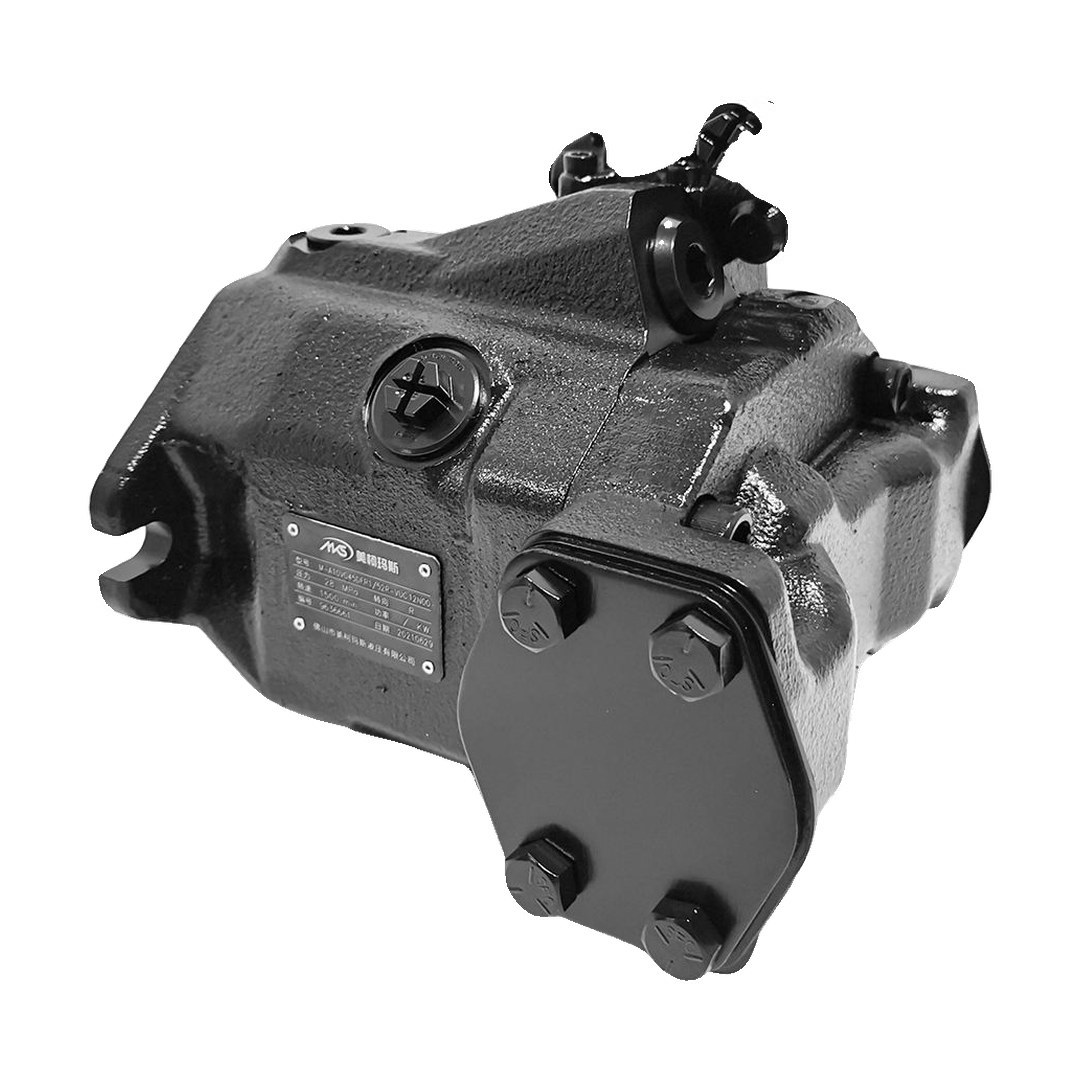
Piston pump 17203815: after 12,000 hours, measure before you buy
17203815 hydraulic piston pump is the working hydraulic pump on the L110G. Loaders in North American yards routinely pass 12,000 to 20,000 hours, and pump wear at that point is normal, not a defect.
Measure hot. Bring the oil to working temperature, measure case drain flow at the pump, and compare with specification. Then verify relief pressure at the main valve. A pump within spec with low relief pressure means the relief valve is the problem, and a relief valve is a fraction of the cost.
When the pump is replaced, do the whole job: oil and filters, suction strainer, reservoir clean, relief setting verified, cooler washed. In yards where the machine also works a salt pile, check the cooler core for external corrosion at the same time.
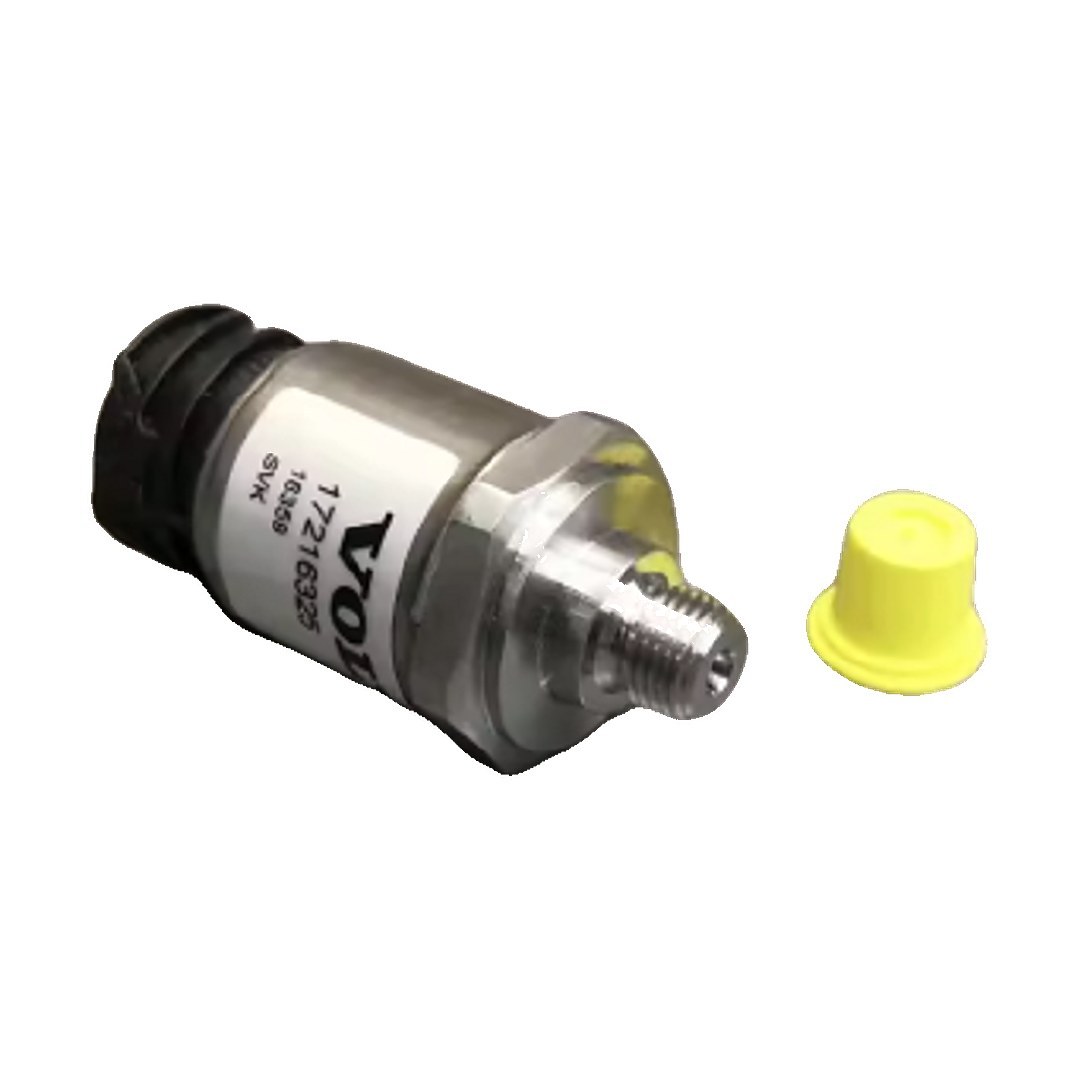
Pressure sensor 17216325: the false fault that stops a good machine
17216325 pressure sensor is used across the L110G, L120G, L45H, L50H and L70G loaders. A drifting sensor either derates the machine or triggers a fault that sends a technician chasing the transmission.
Confirm before replacing anything expensive. Tee a mechanical gauge into the same port and compare readings under load. If the gauge is normal and the display is not, the sensor or its wiring is the fault. Check the connector for green corrosion and pushed pins, because salt spray kills more sensors than pressure does.
After replacement, clear the fault and run a full load cycle before releasing the machine. Clearing a code in the yard and shipping the loader back to a customer without a load test is how the same fault returns on the customer site.
Parts selection and shipping to the US and Canada
North American yards buy ground engaging tools on cost per hour, not price per piece. We supply edge blades, teeth, angle plates, piston pumps and sensors as one consolidated shipment from our Guangzhou warehouse, which keeps a mixed container economical for a dealer or a multi-site operator. Air freight reaches Chicago or Toronto in 4 to 6 days; sea LCL takes 22 to 30 days to Los Angeles, Vancouver or Montreal.
To quote correctly we need three things: machine serial number, photo of the old part or its nameplate, and bucket part number if the bucket was swapped. The serial number resolves the hydraulic variant, the photo prevents same number different generation mistakes, and the bucket number matters because a replacement bucket often changes the edge and tooth family. With all three, quotation goes out the same day.
Parts statement: we supply aftermarket parts suitable for Volvo machines, not genuine Volvo parts. Part numbers are used for cross reference and identification only; final confirmation is by machine serial number and the old part nameplate. Ground engaging tools are hardness checked and pumps are flow tested before packing.
Frequently asked questions about L110G loader parts
Can I flip the edge blade instead of replacing it?
Yes. 11012887 is a reversible bolt-on edge. Measure remaining thickness at the wear line every 250 hours; flip at the limit, replace when both sides reach it. Use new plow bolts and retorque after the first shift.
How worn can a bucket tooth get before replacement?
Replace when the wear flat reaches about half the original tip width. Beyond that the adapter starts to wear, and adapter replacement means cutting and welding on the bucket, which costs far more than a tooth.
The loader derates but the hydraulic pressure feels normal. What first?
Compare the displayed pressure with a mechanical gauge teed into the same port under load. A normal gauge with an abnormal display points to sensor 17216325 or its wiring. Check the connector for salt corrosion and pushed pins.
Is 15,000 hours too many to keep a L110G working?
No, if the hydraulics are measured rather than assumed. Case drain flow at operating temperature and relief pressure tell you the real condition. Many North American yards run these loaders past 20,000 hours with rebuilt pumps and regular ground engaging tool changes.
Send the serial number, confirm fitment today
Aftermarket bucket, hydraulic and sensor parts for Volvo L110G loaders, in stock and shipped from Guangzhou in 24 hours.

WhatsApp +86 139 2519 9399 · Or message us directly:WhatsApp quick quote