Volvo EC700C Large Excavator Parts - Pump, Swing Motor and Cooling Wear List for Russia Mining
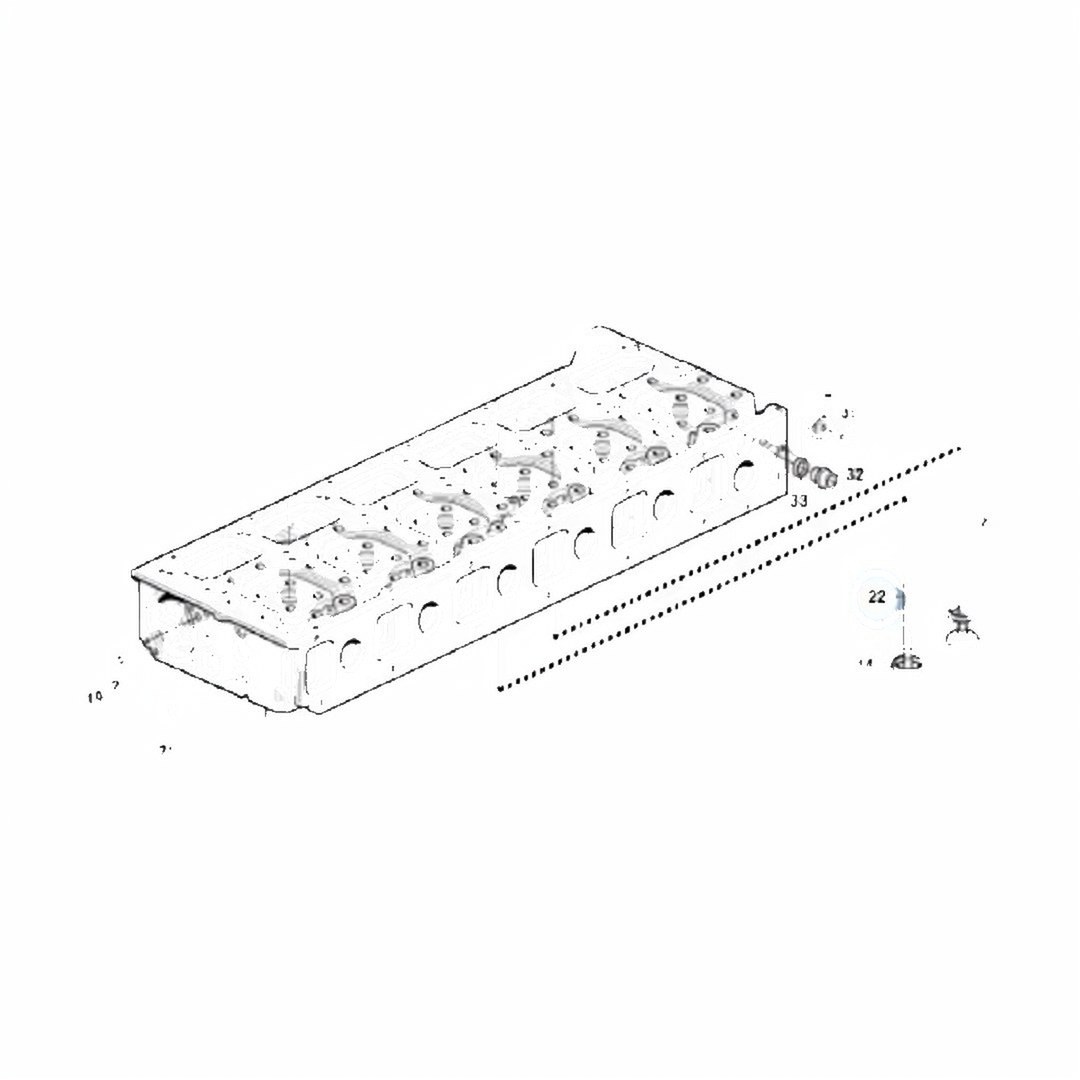
Why a 70 tonne excavator fails in a fixed order in Kuzbass
A machine this size spends its life at or near full hydraulic load, and the Kuzbass duty cycle makes that worse: deep benches, hard overburden, long tram cycles and two operators per shift. The main pumps run at high pressure for thousands of hours, the swing system starts and stops hundreds of times per hour, and the cooling package breathes coal dust half the year and frozen grit the other half.
The failure chain is predictable: pump regulators drift first, then barrel and piston wear raises internal leakage, arm and boom slow down under load, oil temperature climbs, hot thin oil accelerates every other leak in the circuit. On the swing side, splash lubricated gears and the motor coupling wear until the upper structure knocks at each reversal.
| Area | Symptom on site | First check (no cost) | Usual action |
|---|---|---|---|
| Main hydraulic pump | Slow boom and arm under load, hot oil | Measure outlet pressure and flow at relief | Replace pump, flush circuit |
| Swing motor / gearbox | Knock at start and stop, slow swing | Check backlash and drain plug magnet | Replace motor or repair gearbox |
| Cooling package | Overheat in summer, cab heater weak | Light test through the cores | Clean or replace cores |
| Hydraulic cylinders | Boom drift, rod scoring | Drift test with engine off | Reseal or replace cylinder |
| Undercarriage | Noise on travel, oil weeping | Measure roller play and track pitch | Replace rollers or chain |
Main pump 20709467 VOE20709467 Valve Seat Heavy-duty Parts Are Suitable for A40 - test before you condemn it
On a 70 tonne machine a wrong pump diagnosis costs a five figure sum and three weeks of freight. Test in fixed order: step one, pilot pressure - low pilot pressure mimics pump wear; step two, outlet pressure and flow at full relief, at working temperature - pressure at specification with falling flow means internal wear; step three, cut open the return filter - bronze particles point to piston and barrel, steel particles point to the coupling or bearings.
When the pump is replaced, flush the circuit, replace every filter and clean the reservoir in the same job. A new pump fed with contaminated oil will fail within weeks, and on this machine class that second failure usually takes the regulator with it.
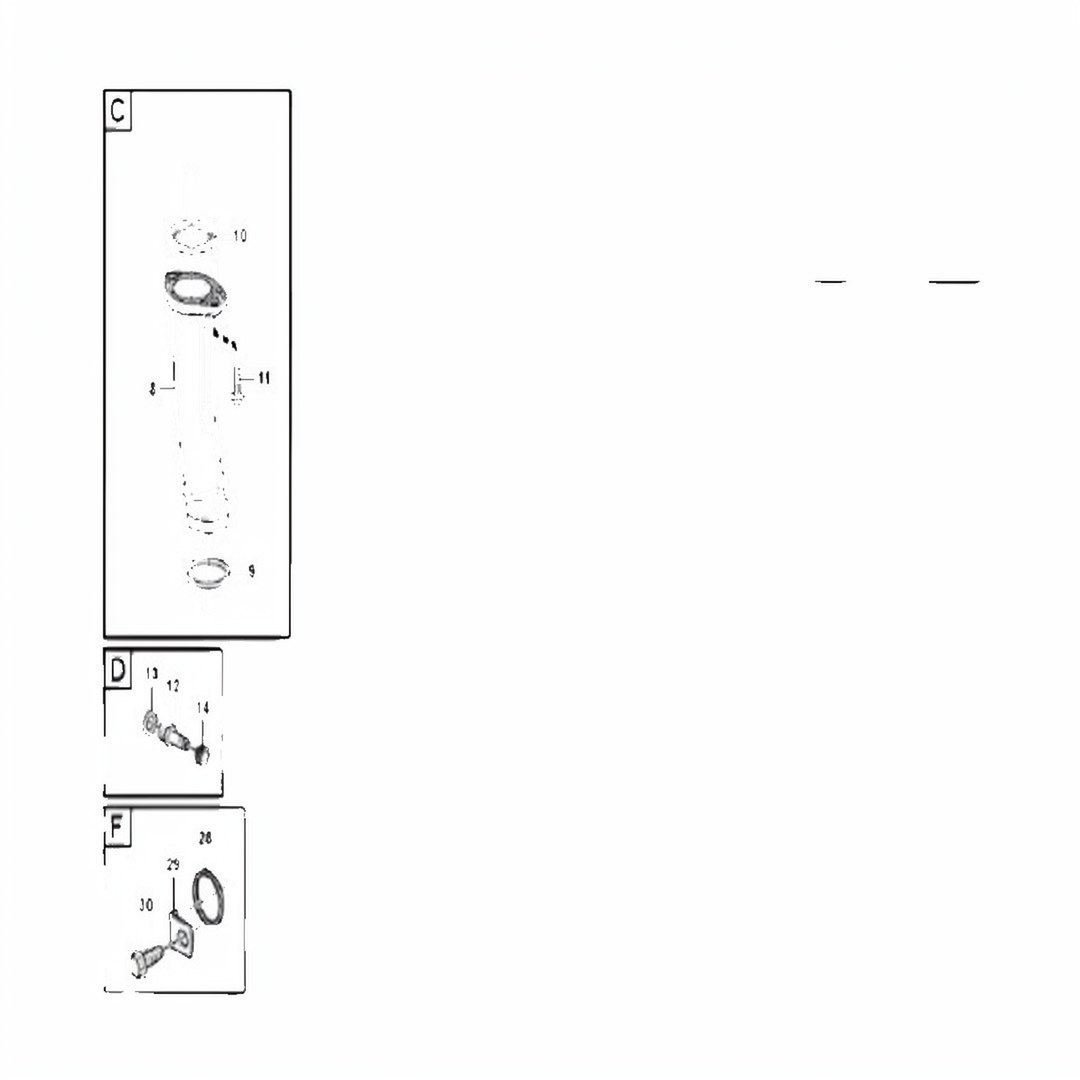
Swing motor and gearbox 22902431 Pump Unit 22902431 24070789 21468471 20744939 Suitable for V - knock is the last warning
Swing wear announces itself late. By the time the upper structure knocks at every reversal, either the coupling, the gear teeth or the planet set has already lost material. Check early and in this order: drain plug magnet for swarf, backlash between pinion and ring gear, and swing brake holding time with the machine parked on a grade.
Swarf on the magnet means the gearbox must come apart regardless of how the machine sounds. Backlash within limits with a slow swing points to the motor, not the gearbox. Replace the brake discs whenever the motor or gearbox is out - the labour is already paid.
Cooling 14547280 VOE14547280 EC290B EC290C EC350D EC330B EC300D EC700C EC340D - coal dust in summer, minus 40 in winter
The cooling package on this class carries engine jacket, charge air, hydraulic oil and transmission oil, and in Kuzbass it works both extremes. In summer, coal and ore dust packs the cores; in deep winter, frozen grit and inner cab heat load the system from the other side. Clean the cores every 250 hours from the inside out at low pressure, and inspect with a light behind them rather than from the front.
Replace a core only when a properly cleaned core still cannot hold temperature at rated load. Check the shroud seals and the fan drive first - a missing shroud seal costs more cooling than a partly blocked core.
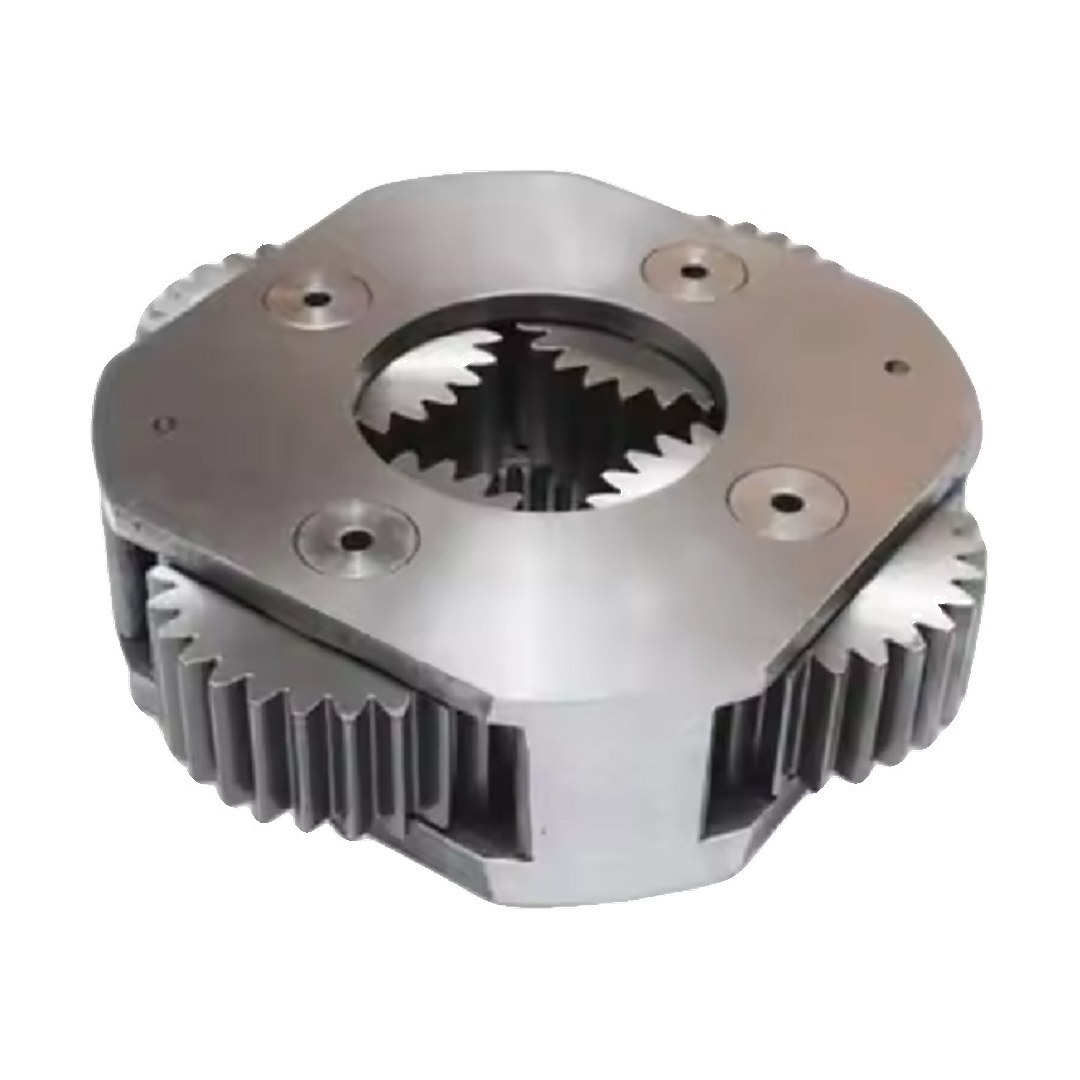
Hydraulic cylinders 14529834 For VOLVO Volvo Spare Parts Relief Valve - drift test tells the truth
Park with the boom raised and the engine off. Drift within the first minute means the piston seal is passing; drift that starts minutes later means a holding valve. Never reseal a cylinder with a scored rod - light scoring can be polished, deep scoring needs a new rod or a complete cylinder.
On overburden duty the rods collect dust each stroke. Wipe the rods each shift and replace the wipers with every seal kit. It costs nothing and it is the single habit that most extends cylinder life on these machines.
Winter discipline 24070789 For VOLVO OEM Quality Pump Unit - cold starts kill pumps
At minus 40 the hydraulic oil is thick enough that a cold full throttle start can cavitate and destroy a healthy pump. Warm the oil with the machine at low idle and no load, use the correct viscosity grade, and check the tank heater element before each winter. Most sudden pump failures reported in this region happen in the first cold week of the season, not in summer.
Keep the breather and the reservoir heated and dry - frozen condensation in the breather pressurises the tank and pushes seals out.
Common parts and lead times
| Area | Typical part number | Sensible stock | Lead time from China |
|---|---|---|---|
| Main hydraulic pump | 20709467 | 1 per 6 machines | 12 to 20 days by air or rail |
| Swing motor / gearbox | 22902431 | 1 per 10 machines | 12 to 25 days |
| Hydraulic oil cooler core | 14547280 | 1 per 8 machines | 15 to 25 days |
| Cylinder seal kit | 14529834 | 2 sets per machine | 7 to 12 days |
| Sensor / heater element | 24070789 | 1 each per machine | 7 to 12 days |
For Novokuznetsk, Kemerovo and Yekaterinburg, air freight via Moscow plus the last leg by rail is the realistic channel for pumps and swing drives. Plan the winter stock in September - anything ordered after the first freeze competes with heating season freight.
FAQ - EC700C in Russia
Do all EC700C units use the same main pump?
No. Units built for different markets differ in pump displacement and regulator electronics. Always confirm by machine serial number and the nameplate on the old pump before ordering.
Why did the pump fail right after the first freeze?
Cold thick oil cavitates at full throttle start. Warm the machine at low idle with no load, use the correct viscosity grade, and check the tank heater before each winter.
Swing knocks at start and stop - is it the ring gear?
Check the drain plug magnet first. Swarf means the gearbox must come apart. Backlash within limits with slow swing points to the motor. The ring gear is the last thing to condemn.
How do I decide between resealing and replacing a cylinder?
Drift within one minute of shutdown means the piston seal; later drift means the holding valve. Reseal only if the rod is not scored - a scored rod destroys the new seal within weeks.
Need a quote and lead time for EC700C parts?
Send the machine serial number and part numbers. We reply within 24 hours with price, stock and air or rail transit time to Kuzbass.

WhatsApp +86 139 2519 9399 · Scan and send part numbers directly on WhatsApp Send a message