Volvo A40F Articulated Hauler Parts - Pump, Hitch and Brake Wear List for Nigeria and Ghana
Why West African haul roads destroy the hydraulic system first
Laterite haul roads, cement plant feed yards and borrow pits share one pattern: machines run two shifts, dust is fine and abrasive, ambient temperature stays above 35 degrees for most of the day, and hydraulic oil is cooled by a radiator that plugs within weeks. Under these conditions the hydraulic system runs hot, and hot oil loses viscosity and film strength.
The failure chain is predictable: cooler and radiator fins plug with dust, oil temperature sits above 90 degrees, oil oxidises and internal leakage rises, pump pressure and flow both drop, the operator pushes harder on the throttle, temperature climbs further. On the mechanical side, the hitch takes the load of every turn on an uneven road, so bushings, pins and the articulation bearing wear faster than in any European quarry.
| Area | Symptom on site | First check (no cost) | Usual action |
|---|---|---|---|
| Hydraulic pump | Slow tipping, high oil temperature | Measure pump outlet and pilot pressure | Replace pump, flush circuit |
| Hitch and articulation | Play, cracking, steering wander | Check pin and bushing clearance | Replace bushings and pins |
| Wet brake discs | Long stopping distance, noise | Measure disc thickness and brake pressure | Replace discs, change oil |
| Cooling package | Overheat under load | Clean fins, check fan drive | Clean or replace core |
| Driveline | Vibration, oil weeping | Check joints and seals | Replace joint or seal kit |
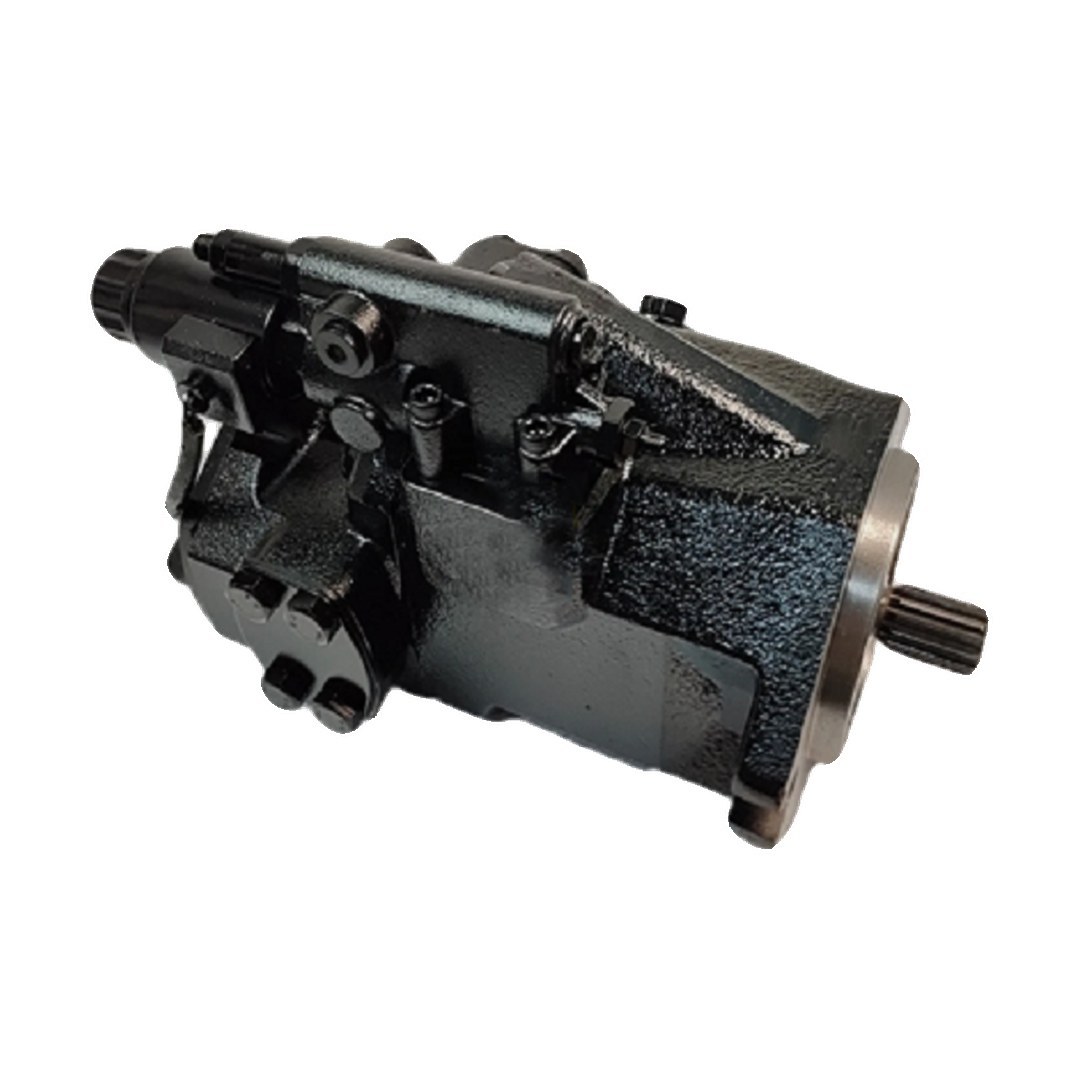
Hydraulic pump 17468452 17468452 11707191 17507437 17466737 Hydraulic Pump Voe174667 - measure before you replace
The tipping and steering pump is the first component to show wear on an A40F in West Africa. The common mistake is to replace the pump when the real problem is a plugged suction strainer, a collapsing hose or a tired pilot pump.
Test in three steps: step one, pilot pressure - if it is below specification, check the pilot pump and relief valve first; step two, outlet pressure and flow at full relief - pressure that will not reach specification with flow dropping together means internal wear; step three, oil sample and filter cut - bronze particles point to piston and barrel wear, steel particles point to gears or bearings.
Two rules that save money: flush the circuit and replace every filter when fitting a new pump, and clean the cooler core every 250 hours. A new pump fed with dirty oil fails within weeks, and that is the most common avoidable failure we see from this region.
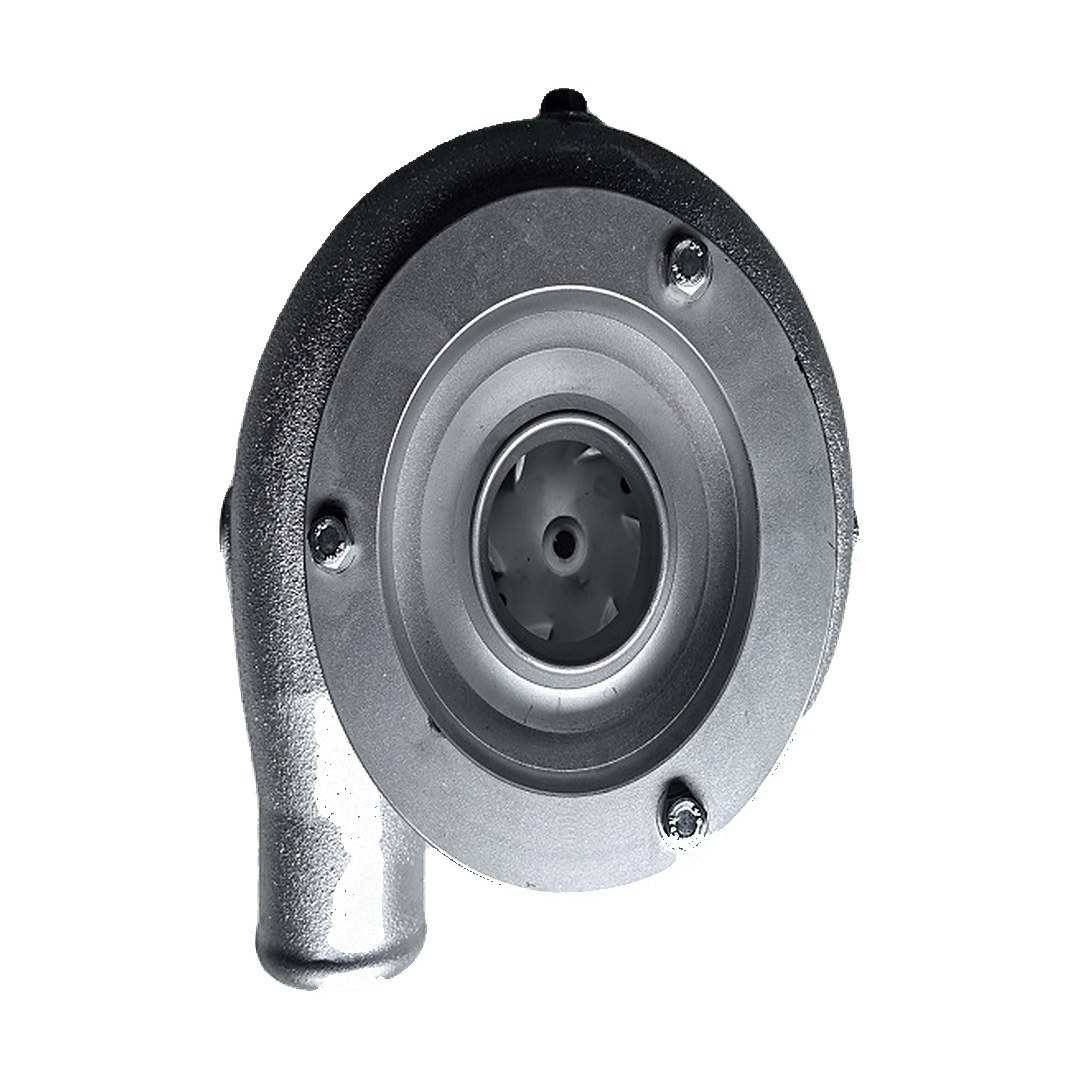
Hitch 11062650 Suitable for Volvo Pump 11062650-A40F Pump 11114873 Construc - laterite roads wear bushings, not frames
Every turn on an uneven haul road loads the hitch. In Nigeria and Ghana the combination of potholes, mud and heavy payload accelerates bushing wear well beyond the book interval. The early symptom is steering wander and a knock when the machine changes direction under load.
Inspection is simple and free: raise the front frame, rock the articulation by hand and measure play. Play beyond specification means bushings and pins must be replaced as a set. Welding up a worn bore without replacing the bushing is a short term fix that cracks the frame later.
Assembly notes: replace pins and bushings together, use the specified torque and re-torque after the first 50 hours, and grease daily in the rainy season. Water ingress is what turns a slow wear item into a cracked component.
Wet brake 15020177 Hydraulic Pump 15020177/Voe15020177 for A40f A40g A35f A35g - thickness is the only criterion
The A40F uses wet multi disc brakes at the axle ends. They do not shed dust, so wear is invisible until the warning appears. Measure disc thickness at every 500 hour service and replace below the minimum, not at the warning.
Three things to check at the same time: whether the brake oil is milky (water ingress means oil must be changed with the discs), whether the piston seals weep (a weeping seal keeps the disc wet and slipping), and whether the piston is corroded in machines working in mud and standing water.
Replace discs as a set per axle. Mixing new and worn discs gives uneven torque and wears the new disc out of square within a short time.
Cooling and dust - the cheapest reliability upgrade
Almost every hot hydraulic complaint we receive from West Africa traces back to a plugged cooler. Blow the core out with compressed air every week in the dry season and every 250 hours in the rainy season, and check that the fan drive and shroud are intact.
Also check the air cleaner restriction indicator rather than judging the filter by appearance. In laterite dust the real service life can be half the nominal interval, and dust passing the filter is what wears the engine and the turbo.
Lead times and stocking advice for Nigeria and Ghana
Air freight from China to Lagos or Tema runs 7 to 14 days door to door; sea freight runs 6 to 9 weeks. A stopped hauler costs far more than the freight difference, so the practical policy is stock wear items, share large components: filters, seals, brake discs and pins at three months of consumption on site, and one pump or hitch kit shared across a fleet of four machines.
Quote requests are handled by machine serial number and part number together, so the configuration is confirmed before anything ships. See the quote page for pricing and availability.
FAQ - A40F in Nigeria and Ghana
Can I fit an A40E or A40G pump on an A40F?
Not directly. The three models use different pump displacements and mounting arrangements, and the pressure settings differ. Always confirm by machine serial number and the nameplate of the old pump.
How often should hitch bushings be replaced?
By measured clearance, not by calendar. On laterite haul roads the interval is often half the book value. Replace pins and bushings as a set and re-torque after the first 50 hours.
Why does the hydraulic oil overheat so quickly here?
In most cases the cooler core is plugged with dust. Clean the core weekly in the dry season, verify the fan drive, and check that oil temperature is measured at the tank rather than at the pump outlet.
Do you ship to Lagos and Tema?
Yes. Air freight takes 7 to 14 days and sea freight 6 to 9 weeks. Provide the machine serial number and the required part numbers and we confirm configuration before shipping.
Need an A40F quote with lead time to West Africa?
Send the machine serial number and part numbers. We reply within 24 hours with price, stock and air or sea freight timing.

WhatsApp +86 139 2519 9399 · Scan the QR code and send part numbers on WhatsApp Send a message