Volvo A40E Articulated Hauler Parts - Pump, Hitch and Brake Wear List for Brazil Mining
Wet season haul roads set the failure order
Brazilian iron ore and aggregate haul roads alternate between two extremes: in the wet season the running surface is clay grease with standing water, in the dry season it is floating dust that finds every tired breather and seal. A loaded A40E on a 10 to 15 percent grade out of a pit works its hydraulics, hitch and brakes at the edge all shift.
The failure chain is a loop: hoist oil runs hot because the cooling core is packed, the pump loses volumetric efficiency, the body raises slower, the operator holds the load in the air waiting for the dump spot, oil temperature climbs further, seals age faster. On the mechanical side, every loaded direction change on a slippery grade hammers the hitch pins and bushings, which wear much faster than on flat quarry duty.
| Area | Symptom on site | First check (no cost) | Usual action |
|---|---|---|---|
| Hoist / steering pump | Slow raise, hot oil | Measure outlet pressure and flow | Replace pump, flush circuit |
| Hitch pins / bushings | Wander, knock on reversals | Measure pin to bushing clearance | Replace bushings and pins as a set |
| Wet brakes | Long stops on wet grades | Measure friction thickness, oil condition | Replace discs, change oil |
| Cooling package | Overheat alarms loaded | Light test through the cores | Clean or replace cores |
| Driveline | Vibration, spline play | Check joints and support bearing | Replace joints or shaft |
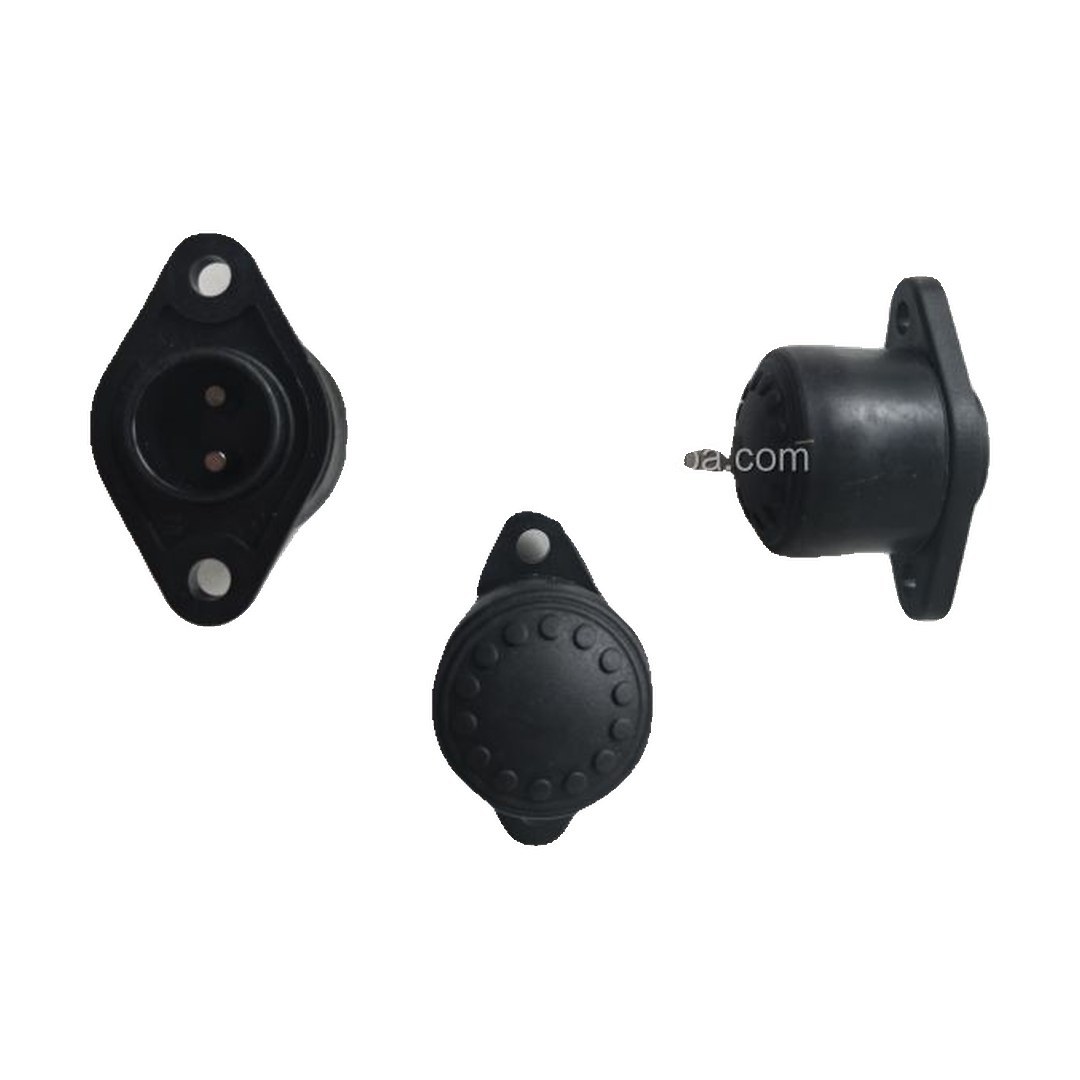
Hoist pump 23945381 Articulation Switch 23945381 for Volvo A25E A30E A35E A40E A - measure before you buy
Slow body raise has three common causes in order of probability: a clogged suction strainer or collapsing hose, a tired relief or priority valve, and genuine pump wear. Measure outlet pressure and flow at working temperature under load. Pressure at specification with falling flow means the pump is worn; pressure below specification means look at the valves and the suction side first.
When the pump is replaced, change the oil, all filters, clean the reservoir and fit a new breather in the same job. A new pump fed with contaminated or water laden oil will not finish its first month on wet season haul roads.
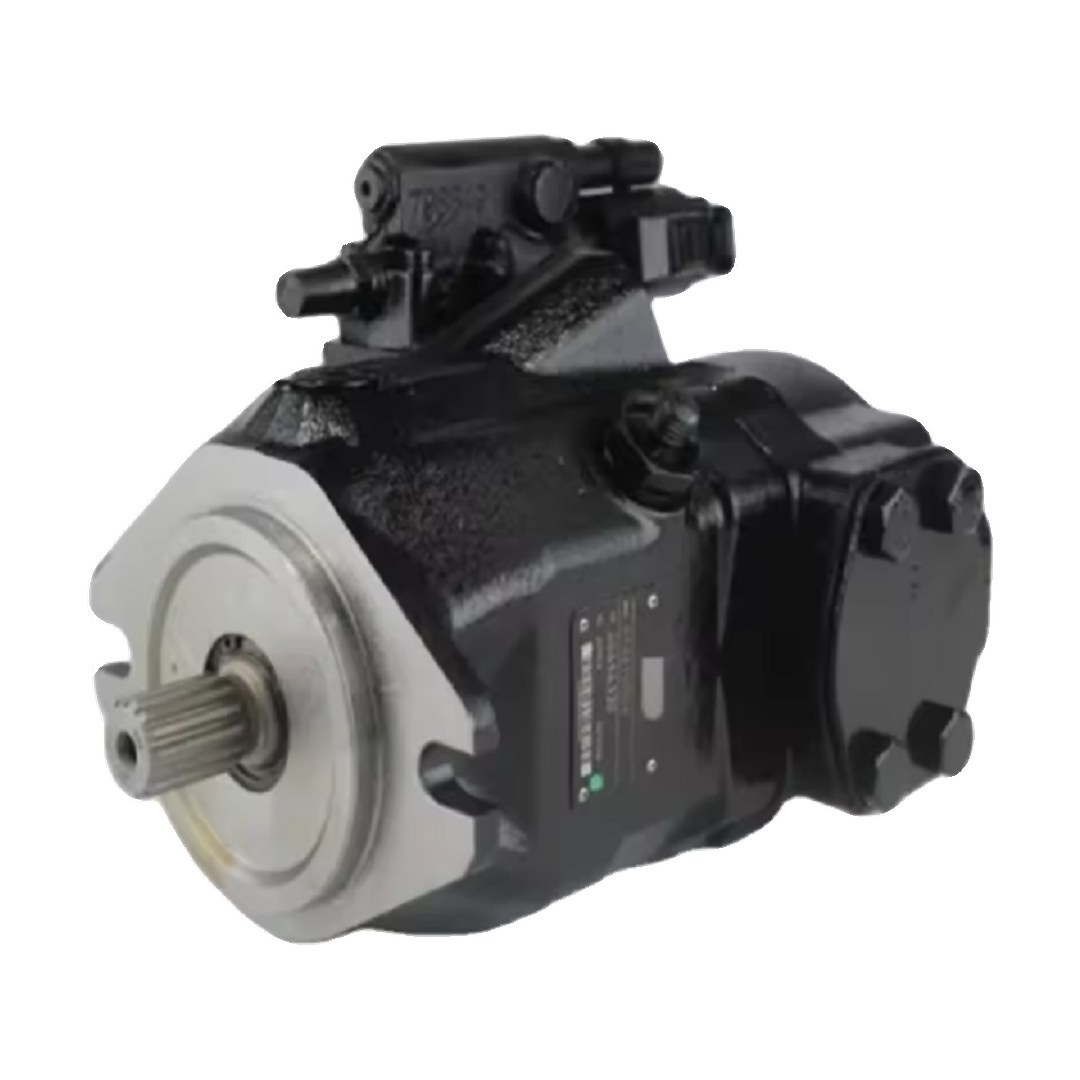
Hitch 15020156 For A35E/A40E Excavator Hydraulic Piston Pump Part Numbers 1 - the grade wears the bushings, not the frame
On a loaded climb the hitch carries tension, on the descent it carries compression, and every steering correction adds side load. Wear shows in a fixed pattern: measurable play by hand, a knock at each direction change, and the truck needing constant correction to hold a line.
Measure pin to bushing clearance at each point against the wear limit. Light play with sound pins means bushings only; an egg shaped pin or a cracked bearing seat means pins and bushings together. Always replace bushings as a full set - one old bushing beside new ones concentrates the entire load into the new parts and they fail within a few hundred hours.
Grease discipline on haul roads is stricter than anywhere: one grease round per shift, and wipe each nipple clean first. Dust packed into a nipple is a direct injection of abrasive into the bushing.
Wet brakes 9011184637 A40D-A40E-T450D-A35EFS Engine Control Module 9011184637 Is S - wet descents change the standard
The A40E runs oil immersed multi disc brakes at the axles. They do not dust or squeal - they quietly thin down until the operator notices the pedal travels further on a wet loaded descent, which is far too late.
Scrap only on measured friction thickness, never on hours. Three checks go with it: emulsified brake oil (water in means the oil goes with the discs), piston seal leakage (leaking seals let discs slip and overheat), and one sided drag (drag glazes and sinter one axle while the other looks healthy).
On wet grades the difference between good brakes and marginal brakes is exactly the difference between stopped and not stopped. Do not extend brake life on a haul road that will punish it.
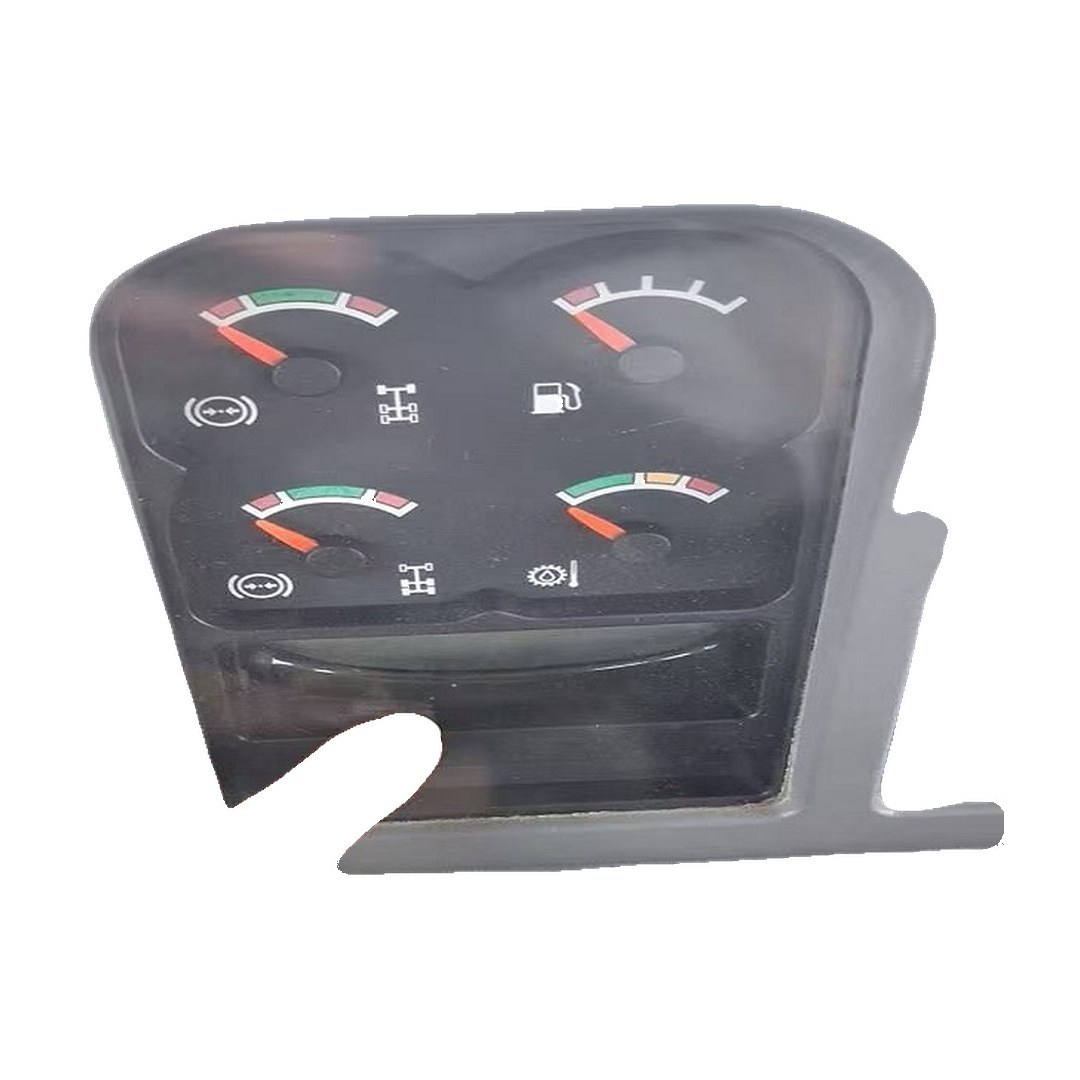
Cooling and oil 15090812 NEW 15090812 GASKET SET GEAR BOX Suitable for VOLVO A35E A40 - the cheapest reliability on the truck
Wet season clay and dry season dust take turns packing the cores. Clean the cooling package every 250 hours from the inside out at low pressure, and check the fan drive and belts at the same time. BENT fins do not spring back - that cooling capacity is gone for good.
Put oil sampling into the quarterly schedule. One sample costs a fraction of one pump plus one motor, and it catches water ingress before the brake and hoist circuits pay for it.
Driveline 11193635 11193635 - Parking Brake to Suit Volvo Articulated Haulers A - vibration is never normal
Loaded vibration usually starts at a universal joint cross or the centre support bearing, and on these trucks it is often the first sign that the hitch is trending downhill too. Check joint play and grease leakage point by point, check the shaft assembly phasing, and inspect the support rubber for cracks.
A shaft that fails on a loaded grade does more than stop the truck - it usually takes the splines and the gearbox output with it. Replace on condition, not after the failure.
Common parts and lead times
| Area | Typical part number | Sensible stock | Lead time from China |
|---|---|---|---|
| Hoist hydraulic pump | 23945381 | 1 per 8 trucks | 12 to 18 days by air |
| Hitch bushing / pin kit | 15020156 | 1 set per truck | 12 to 20 days |
| Wet brake kit | 9011184637 | 1 per axle per truck | 12 to 20 days |
| Cooling core | 15090812 | 1 per 10 trucks | 15 to 25 days |
| Universal joint / cross | 11193635 | 1 per 6 trucks | 10 to 15 days |
For Minas Gerais iron ore and Para bauxite sites, air freight into Belo Horizonte or Belem carries pumps, brakes and joints; cores and structural parts are worth sea freight into Santos with the road leg planned. Order against wear measurements before the wet season - the first heavy rains close haul roads and double transit times.
FAQ - A40E in Brazil
Do all A40E units use the same hoist pump?
No. Units from different build years differ in pump displacement and regulator settings. Always confirm by machine serial number and the nameplate on the old pump before ordering.
Why does the body raise slowly only after mid shift?
That is heat, not the pump dying. Clean the cooling core, confirm the fan drive and oil viscosity, then measure pressure and flow at working temperature before ordering parts.
Can I replace one hitch bushing instead of the set?
No. A single new bushing beside worn ones takes the entire load and fails within a few hundred hours. Replace bushings as a full set, with pins if they measure egg shaped.
How do I judge wet brake wear without teardown?
Pedal travel on a wet loaded descent is the late sign. Measure friction thickness at service, check brake oil for emulsification, and replace discs and oil together whenever water is present.
Need a quote and lead time for A40E parts?
Send the machine serial number and part numbers. We reply within 24 hours with price, stock and air or sea transit time to Belo Horizonte, Belem or Santos.

WhatsApp +86 139 2519 9399 · Scan and send part numbers directly on WhatsApp Send a message