Volvo A35D / A40D Articulated Hauler Parts - Pump, Hitch and Brake Wear List for Indonesia Coal Haul Roads
Why coal haul roads wear the pump and the hitch first
Coal haul roads in Kalimantan and South Sumatra share one pattern: machines run two shifts, the road surface is compacted coal and clay, dust is fine and carbon based, ramps are steep, and rain arrives without warning. The hydraulic system works hot, the hitch works hard on every turn, and the brakes work wet.
The failure chain is predictable: cooler fins plug with coal dust, oil temperature sits above 90 degrees, oil oxidises and internal leakage rises, pump pressure and flow both drop, the operator pushes harder, temperature climbs further. On the mechanical side, the hitch takes the load of every turn on an uneven ramp, so bushings, pins and the articulation bearing wear faster than on a flat quarry floor.
| Area | Symptom on site | First check (no cost) | Usual action |
|---|---|---|---|
| Hydraulic pump | Slow tipping, high oil temperature | Measure pump outlet and pilot pressure | Replace pump, flush circuit |
| Hitch and articulation | Play, cracking, steering wander on ramps | Check pin and bushing clearance | Replace bushings and pins |
| Wet brake discs | Long stopping distance, noise when wet | Measure disc thickness and brake pressure | Replace discs, change oil |
| Cooling package | Overheat under load | Clean fins, check fan drive | Clean or replace core |
| Driveline | Vibration, oil weeping at joints | Check joints and seals | Replace joint or seal kit |
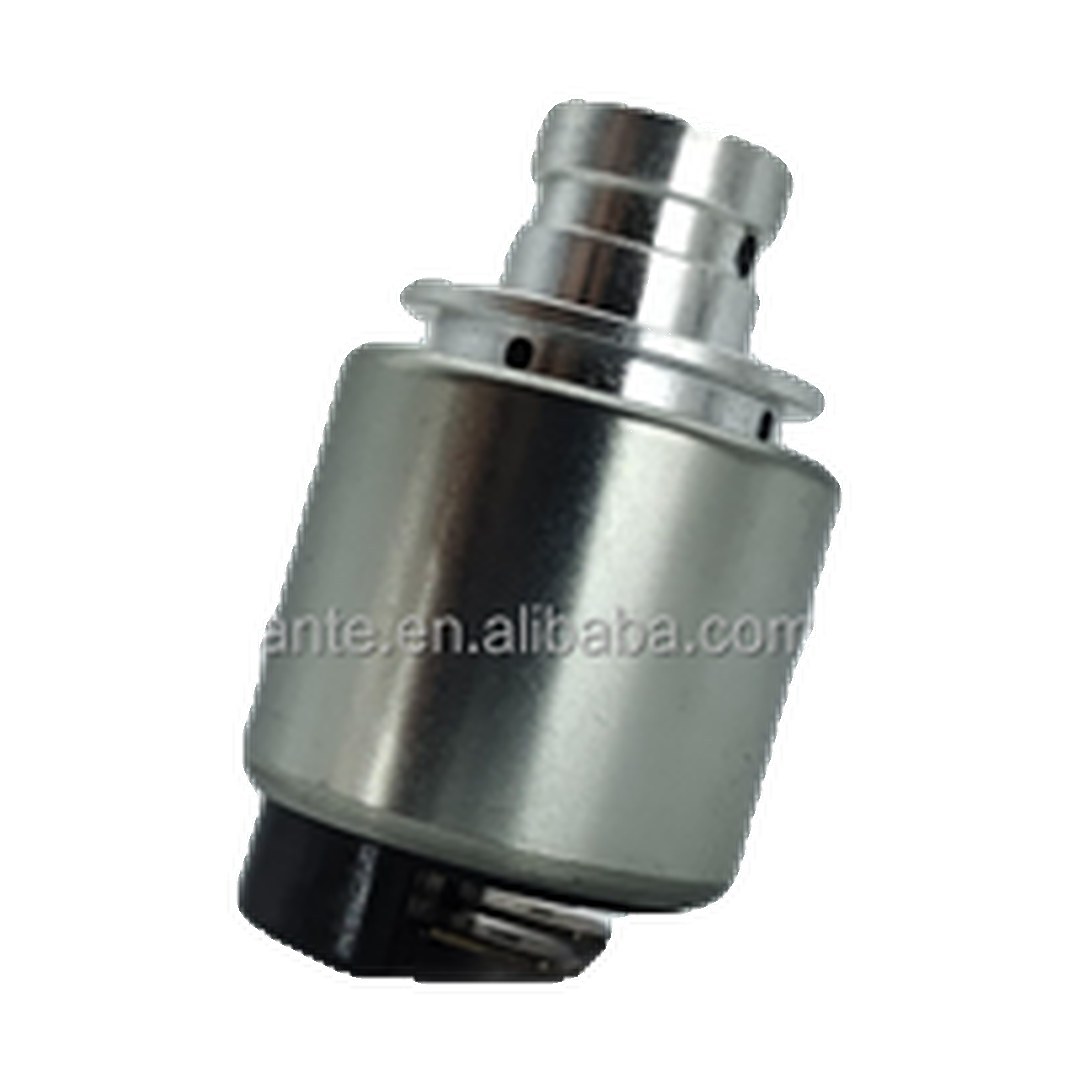
Hydraulic pump 1650774 Solenoid Valve 1650774 Compatible/replaceable/suitable for V - measure before you replace
The tipping and steering pump is the first component to show wear on these haulers in Indonesia. The common mistake is replacing the pump when the real problem is a plugged suction strainer, a collapsing hose or a tired pilot pump.
Test in three steps: step one, pilot pressure - below specification means check the pilot pump and relief valve first; step two, outlet pressure and flow at full relief - pressure that will not reach specification while flow drops means internal wear; step three, oil sample and filter cut - bronze particles point to piston and barrel wear, steel particles point to gears or bearings.
Two rules save money: flush the circuit and replace every filter when fitting a new pump, and clean the cooler core every 250 hours. A new pump fed with dirty oil fails within weeks, and that is the most common avoidable failure we see from this region.
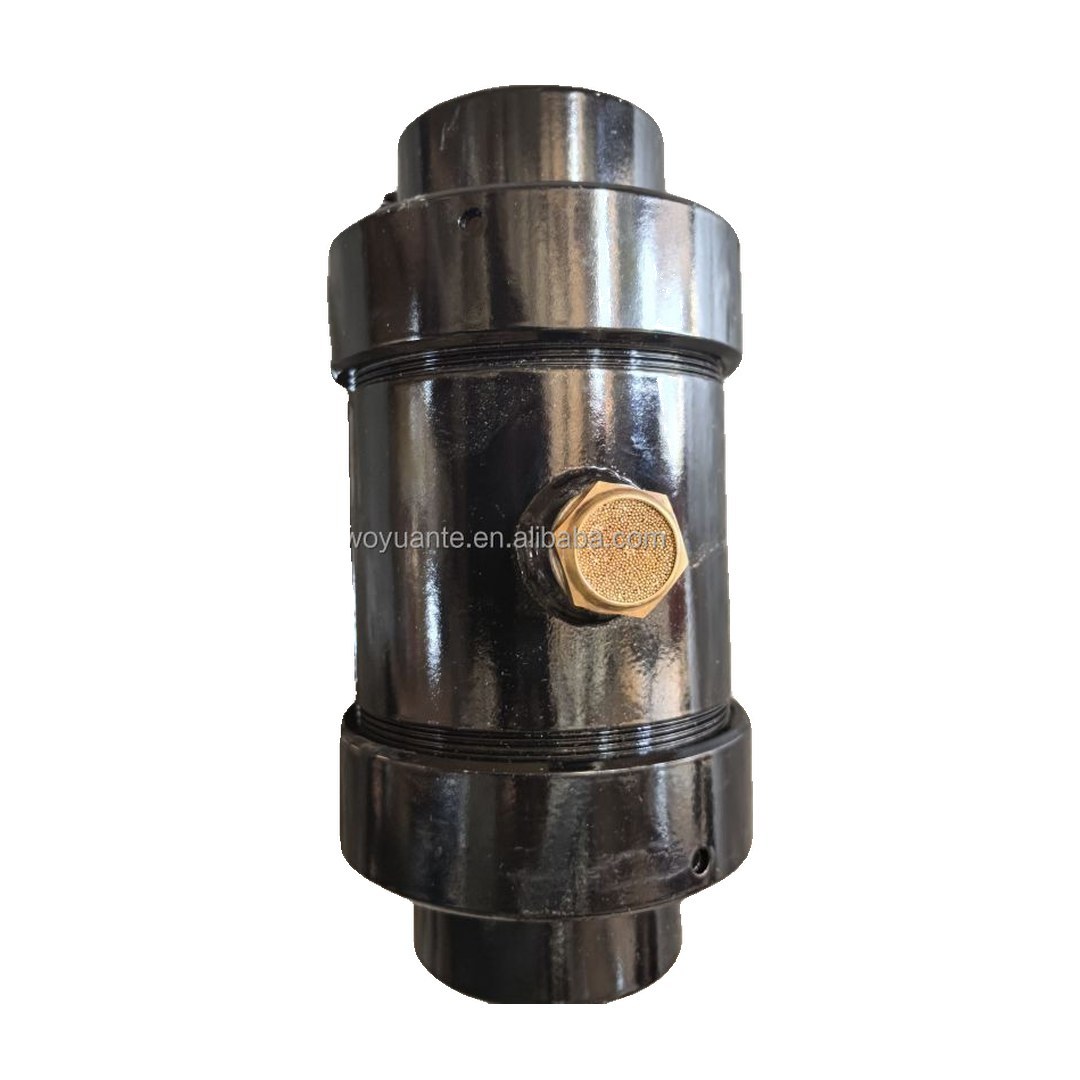
Hitch 11119171 Suitable for Volvo Hinge A40D Damping Cylinder - ramps wear bushings, not frames
On steep coal ramps the hitch is loaded in every direction: tension on the climb, compression on the descent, and side load in every turn. Wear shows up as play you can feel by hand, a knock when the machine changes direction, and steering that wanders on a straight section.
Measure pin and bushing clearance at each articulation point and compare against the service limit. Light play with intact pins means bushings only; oval pin seats or cracks around the bearing housing mean pins and bushings together. Replace bushings in matched sets - one new bushing next to a worn one simply transfers the load and wears out again.
Greasing discipline matters more here than on a flat site: grease every shift on a coal haul road, and clean the nipple before coupling the gun. A nipple packed with coal dust feeds abrasive straight into the bushing.
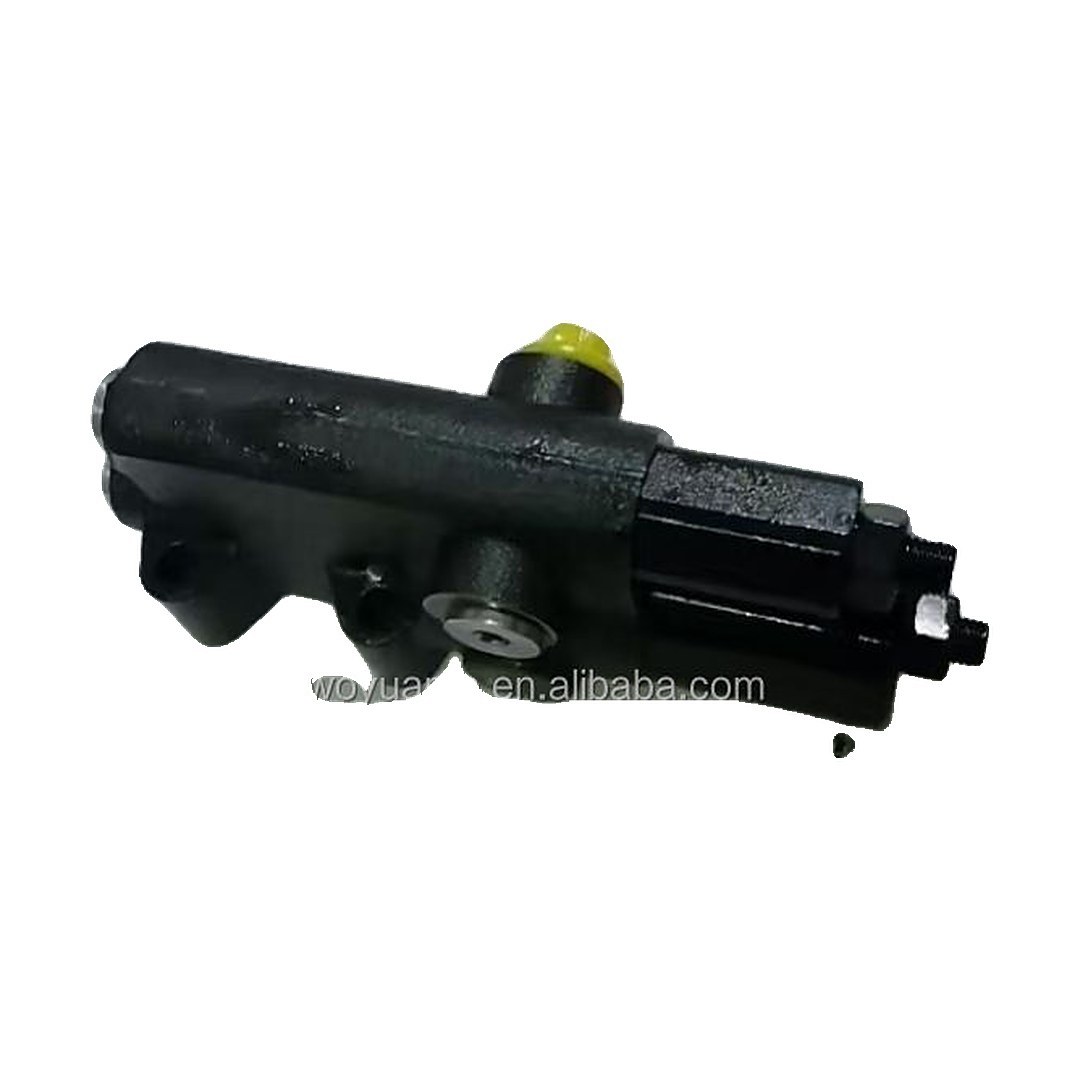
Wet brake discs 15011528 Suitable for Volvo Hinge Card A40D Solenoid Valve 15011528 C - wet ramps change the rule
These haulers use oil immersed multi plate brakes at the axle ends. They do not shed dust, they thin quietly: the operator only notices a slightly longer stop, and by the time the warning appears the friction material is close to the steel backing plate.
Judge by measured disc thickness, never by hours. At the same time check three things: whether the brake oil is milky (water ingress means the oil must be changed with the discs), whether the piston seals weep (a weeping seal keeps the disc wet and slipping), and whether one side drags (drag overheats one disc and glazes it).
On wet ramps the margin between a good brake and a marginal brake is the difference between stopping and sliding. Do not extend the interval because the machine still stops on the flat.
Cooling and oil 15043728 Suitable for Volvo Hinge Card A40D Solenoid Valve 15043728 C - the cheapest reliability upgrade
In Indonesian humidity the cooling package is the difference between a hydraulic component lasting 6000 hours or 3000. Clean the radiator and oil cooler fins every 250 hours from the inside out at low pressure, and check the fan drive and belt at the same time. Bent fins do not spring back and permanently reduce capacity.
Oil choice follows ambient temperature and duty cycle, not the label on the drum. Put oil sampling into the seasonal service - one sample costs less than one pump and tells you about water ingress long before the oil turns milky.
Driveline and articulation 11708990 Suitable for Volvo Hinge A40D Hydraulic Pump - vibration is never normal
Vibration under load usually starts at a universal joint or a worn centre bearing, and on these machines it is often the first sign of a failing articulation bearing. Check joints for play and grease weep, check that the driveline is phased correctly after any repair, and check the centre bearing rubber for cracking.
A driveline that lets go on a ramp does not just stop the machine, it usually takes the yoke and the gearbox output shaft with it. Replace joints on condition, not on failure.
Common parts and lead times
| Area | Typical part number | Sensible stock | Lead time from China |
|---|---|---|---|
| Hydraulic pump | 1650774 | 1 per 8 machines | 7 to 12 days by air |
| Hitch bushing and pin kit | 11119171 | 1 set per machine | 7 to 14 days |
| Wet brake disc set | 15011528 | 1 axle set per machine | 10 to 18 days |
| Cooling core | 15043728 | 1 per 10 machines | 10 to 20 days |
| Driveline joint | 11708990 | 1 per 6 machines | 7 to 12 days |
For Kalimantan, plan on air freight for pumps, brake sets and joints, and sea freight for cooling cores and structural parts. Clearance in Jakarta can add a week, so order against the wear trend, not against the breakdown.
FAQ - A35D / A40D in Indonesia
Can A35D and A40D hydraulic pumps be interchanged?
No. The two models differ in displacement, mounting flange and regulator setting, and mixing them gives wrong pressure and slow response. Always confirm by machine serial number and the nameplate on the old pump.
Does a weeping hitch mean the frame is damaged?
Not usually. Weeping at the articulation points means the seal and bushing are worn. Frame damage shows as cracks around the bearing housing, which needs inspection before new bushings are fitted.
How often should brake discs be replaced?
By measured thickness, not by hours. If the oil is milky, replace the discs and the oil together, because water in the oil keeps the friction material slipping and glazed.
Why does the machine get slow only when hot?
That is the classic sign of oil temperature problems, not pump failure. Clean the cooler, confirm fan drive and oil grade, then measure outlet pressure and flow before deciding on a pump.
Need a quote and lead time for A35D / A40D parts?
Send the machine serial number and the part numbers you need. We reply within 24 hours with price, stock and air or sea transit time to Jakarta or Balikpapan.

WhatsApp +86 139 2519 9399 · Scan and send part numbers directly on WhatsApp Send a message